
跨境电商物流作为全球贸易的重要组成部分,其发展经历了从物理到数字的转变,近年来,跨境电商物流体系不断革新,技术手段从传统的物流工具向数字化、智能化发展,物流平台也从物理空间向虚拟空间转型,政策支持与市场机遇的双重影响,推动了跨境电商物流效率的提升,但也面临物流成本上升、监管复杂度增加等挑战,跨境电商物流需要在政策、技术创新和市场环境的协调中持续优化,以更好地服务于全球贸易需求。
In the global landscape of e-commerce, logistics is not merely about transporting physical products but also about managing the global supply chain. This includes coordinating with suppliers, managing inventory, and ensuring that goods arrive at their destination in the most efficient and cost-effective manner. As businesses expand their global reach, they must learn to adapt to the evolving complexities of global trade and logistics dynamics.
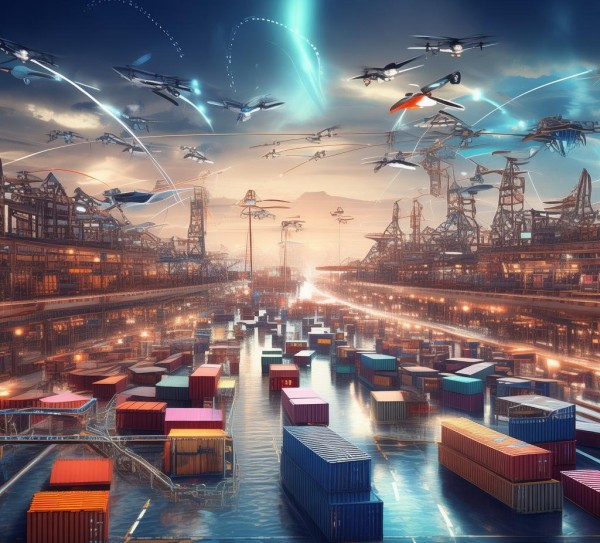
The role of logistics in e-commerce is deeply intertwined with global trade. From the seamless movement of packages across oceans to the efficient handling of goods between continents, logistics plays a pivotal role in ensuring that businesses can operate oothly and efficiently on an international scale. In a world where digital platforms and global trade are integral, the dynamics of e-commerce logistics are no longer static; they are shaped by changing global policies, technological advancements, and consumer preferences.
In addition to global trade, logistics is also influenced by regulatory frameworks that dictate shipping costs, container sizes, and delivery times. These regulations vary across countries, which can significantly impact the efficiency and cost-effectiveness of logistics operations. For example, the U.S. has strict regulations on shipping containers, while other countries may have more flexible policies. Similarly, the cost of shipping varies widely depending on the distance, the type of product, and the logistics provider.
The complexity of global trade further complicates logistics operations. Countries with strict regulations on shipping face challenges in managing large-scale movements, while others may have more open policies that facilitate global trade. This dynamic interplay between logistics and global trade necessitates businesses to adapt to changing market conditions and regulatory environments.
The role of policies and regulations in e-commerce logistics cannot be overstated. In countries with strict regulations, businesses must navigate complex legal and operational challenges, which can lead to delays and higher costs. For instance, the U.S. has a complex system of shipping regulations that can make transporting large goods expensive and time-consuming. In contrast, other countries may have more flexible shipping policies, making global trade more efficient and cost-effective.
Moreover, the rise of global e-commerce platforms has revolutionized logistics management. These platforms allow businesses to reach out to customers in other countries, manage inventory, and facilitate transactions. The success of these platforms depends on the ability of businesses to leverage their global capabilities and to build scalable partnerships with logistics providers. For example, Amazon's partnership with DHL has enabled companies to streamline their global supply chains, reducing costs and improving delivery times.
International e-commerce platforms like Alibaba and eBay have become essential tools for businesses operating in multiple countries or serving a global market. They allow companies to reach out to customers in other regions, manage inventory, and facilitate transactions. The success of these platforms depends on the ability of businesses to leverage their global capabilities and to build strong, scalable partnerships with logistics providers. For instance, the rise of China in the global market has created new opportunities for businesses to expand their operations.
As the world increasingly relies on digital platforms and global trade, the complexities of e-commerce logistics are no longer static; they are evolving, shaped by changing global policies, technological advancements, and consumer preferences. The role of logistics in e-commerce is not only about transporting physical products but also about managing the global supply chain. This includes coordinating with suppliers, managing inventory, and ensuring that goods arrive at their destination in the most efficient and cost-effective manner.
The complexity of global trade adds another layer of challenge, as businesses must work closely with multiple parties and navigate a range of legal and operational issues. The success of e-commerce logistics depends on the ability of businesses to adapt to these changes and to build strong, scalable partnerships with logistics providers. For example, the rise of international e-commerce platforms has created new opportunities for businesses to expand their global reach while managing logistics efficiently.
In conclusion, the role of logistics in e-commerce is dynamic, evolving, and shaped by the challenges of global trade. As businesses continue to expand their global reach, they must learn to adapt to these changes and to leverage their global capabilities to thrive in this rapidly changing landscape.